Установка шумоизоляции в квартирах: common mistakes that cost you money
The Expensive Reality of Soundproofing Mistakes in Your Apartment
You've had enough. The neighbor's midnight drum sessions, the couple arguing upstairs, or that bass-heavy home theater next door—it's driving you insane. So you decide to soundproof your apartment. Smart move. Except here's the thing: most people blow thousands of dollars on soundproofing that barely works because they approach it the wrong way.
Let me break down the two paths people typically take, and why one leaves you broke and frustrated while the other actually delivers peace and quiet.
The DIY "I'll Just Add More Stuff" Approach
This is where most apartment dwellers start. You hit up YouTube, watch a few videos, and head to the hardware store thinking you've got it figured out.
What People Actually Do:
- Slap acoustic foam panels everywhere – Those pyramid-shaped panels look professional, but they're designed for echo control in recording studios, not blocking your neighbor's TV noise
- Add mass-loaded vinyl directly to walls – Costs around $2-3 per square foot, but without proper installation techniques, you're wasting 60-70% of its potential
- Stuff insulation into existing walls – Sounds logical, except most apartment walls have fire-rated construction that you can't legally modify
- Install door sweeps and window inserts – These help with 15-20% of noise issues at best, yet people expect miracles
The Damage Report:
Budget-wise, you're looking at $800-2,500 for a typical bedroom done this way. The actual noise reduction? Maybe 5-10 decibels if you're lucky. That's barely noticeable to the human ear, which needs at least 10 decibels difference to perceive a 50% reduction in loudness.
The real killer? You've now got materials permanently attached to your apartment. Good luck getting your security deposit back when the landlord sees MLV glued to the walls.
Why It Fails:
Sound travels through structure, not just air. Those footsteps from upstairs? They're vibrating through the concrete and framing. No amount of foam or insulation stops structural vibration. You need decoupling—creating physical separation between surfaces. Something 90% of DIYers never address.
The "Understand Physics First" Approach
This method costs more upfront but actually works because it's based on how sound transmission actually functions.
What Actually Works:
- Build a room-within-a-room – Floating floors with rubber isolation pads, resilient channels on walls, and decoupled ceiling systems. Yes, you lose 3-4 inches of space per wall, but you gain 25-35 decibel reduction
- Address flanking paths first – Electrical outlets, HVAC vents, and door gaps account for 40-50% of noise transmission. Seal these before touching walls
- Use proper layering systems – Drywall, Green Glue damping compound, another drywall layer, then MLV if needed. Each layer serves a specific acoustic purpose
- Install solid-core doors with acoustic seals – A hollow-core door has an STC rating of 20-25. A properly sealed solid-core door hits 45-50
The Investment:
A bedroom done correctly runs $3,500-6,000 depending on your city. But you're getting legitimate 25-40 decibel reduction, which translates to an 80-90% perceived decrease in noise. That's the difference between hearing every word through the wall versus hearing muffled background noise.
The Catch:
This requires permits in most cities. You're modifying structure, adding weight to floors, and changing fire ratings. The permit process adds 2-3 weeks and $300-800 in fees. But you're also not risking eviction or lawsuits from improper modifications.
Head-to-Head Comparison
| Factor | DIY Approach | Physics-Based Approach |
|---|---|---|
| Upfront Cost | $800-2,500 | $3,500-6,000 |
| Actual Noise Reduction | 5-10 decibels | 25-40 decibels |
| Installation Time | 2-4 days | 1-2 weeks |
| Space Lost | 0.5-1 inch | 3-4 inches per wall |
| Permit Required | Usually no (but risky) | Yes |
| Reversibility | Difficult, leaves damage | Possible but expensive |
| Landlord Issues | High probability | Requires approval upfront |
So Which Path Should You Take?
Here's my honest take after watching hundreds of people make this decision: if you're renting and planning to move within two years, neither option makes financial sense. Buy quality noise-canceling headphones for $300 and move when your lease is up.
If you own your apartment or have a long-term lease with a cooperative landlord, skip the DIY nonsense. You'll spend $2,000 learning what doesn't work, then another $4,000 doing it right anyway. I've seen this cycle play out dozens of times.
The middle ground? Focus exclusively on flanking paths and doors. For $1,200-1,800, you can seal outlets, upgrade your door, and add window inserts. That gives you 15-20 decibel reduction—not amazing, but enough to restore your sanity without major construction.
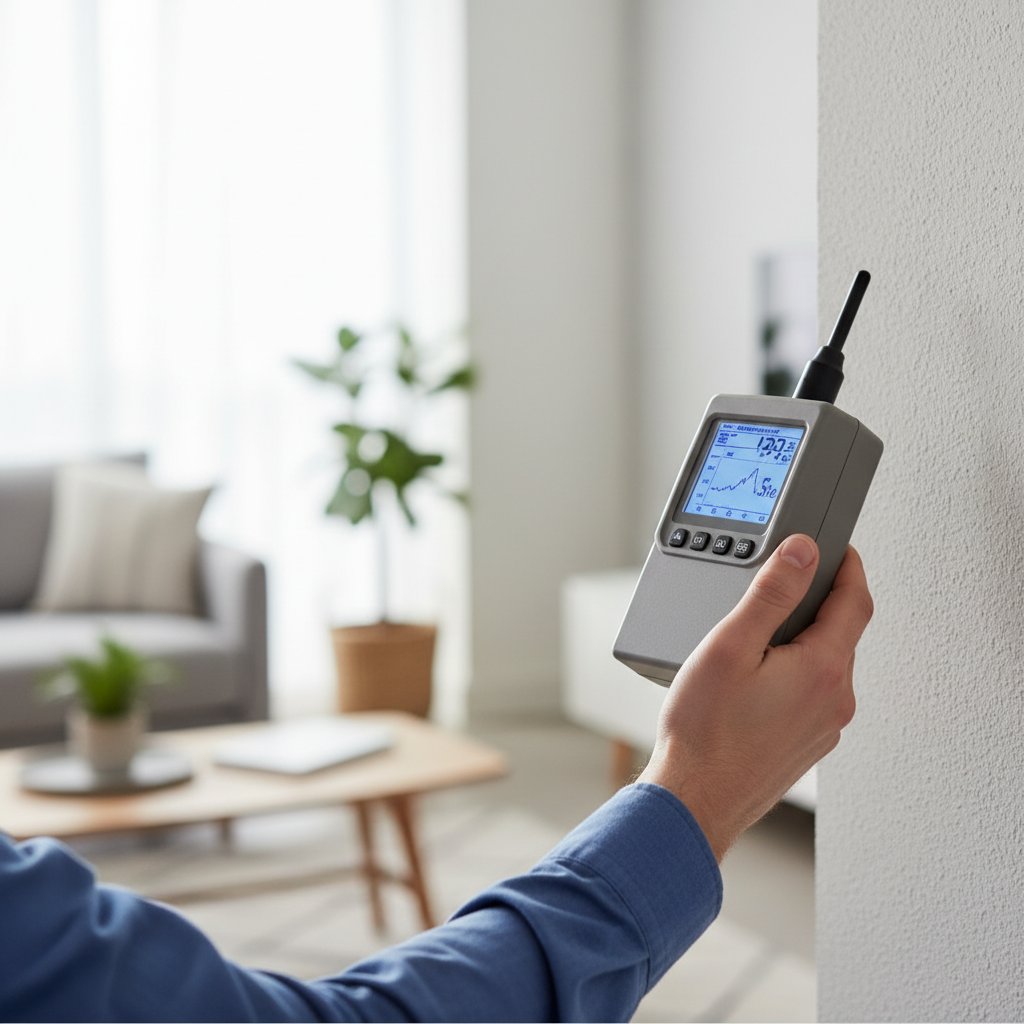
Whatever you choose, measure your noise levels with a decibel meter app first. If you're dealing with less than 55 decibels, you're better off with white noise machines and soft furnishings. Save your money for a better apartment.